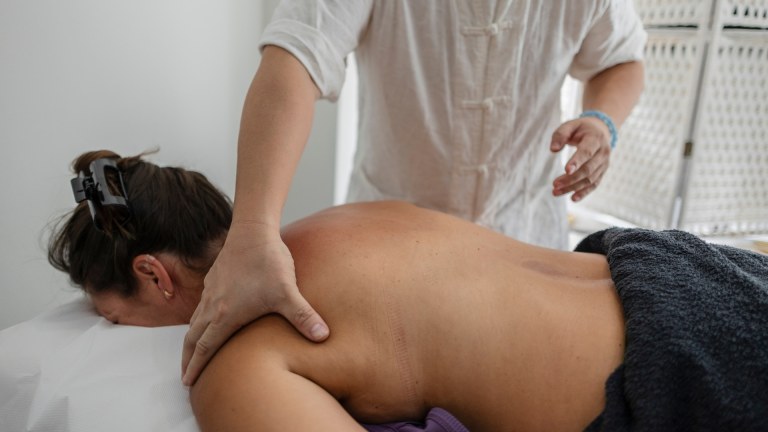

PLANTAR FASCIITIS: CAUSES, SYMPTOMS, AND CLINICAL CONSIDERATIONS
Plantar Fasciitis (commonly referred to as plantar heel pain or plantar fasciopathy) is the most common overuse issue affecting the foot. It presents as pain on the heel and throughout the sole of the foot. It is typically more painful with initial steps in the morning and weight bearing after a period of rest.
Even though the symptoms occur in the foot, plantar fasciitis is rarely just a foot problem. It typically arises from changes in movement, and soft tissue issues throughout the lower body.
COMMON CAUSES OF PLANTAR FASCIITIS
Plantar fasciitis happens when the firm thick layer/band of tissue (plantar fascia) gets inflamed and exceptionally tender, the plantar fascia runs across the bottom of your foot, connecting your heel bone to your toes. This fascia acts like a shock absorber and supports the arch of your foot. When it’s strained, tiny tears can occur, leading to the characteristic pain and stiffness.

Common factors include:
– Tight calves and Achilles tendon, which limit ankle movement increases tension in the plantar fascia
– Long periods of standing or walking, especially on hard surfaces
– Poor footwear or lack of arch support
– Sudden increase in activity
– High-impact activities or sports that stress the feet too much
-Extra weight strains the plantar fascia
-Foot structure abnormalities
-High arches, flat feet, or odd/changedwalking patterns
These factors increase stress on the plantar fascia, particularly where it attaches to the calcaneus (heel bone).
THE ROLE OF SOFT TISSUE RESTRICTIONS IN PLANTAR FASCIITIS
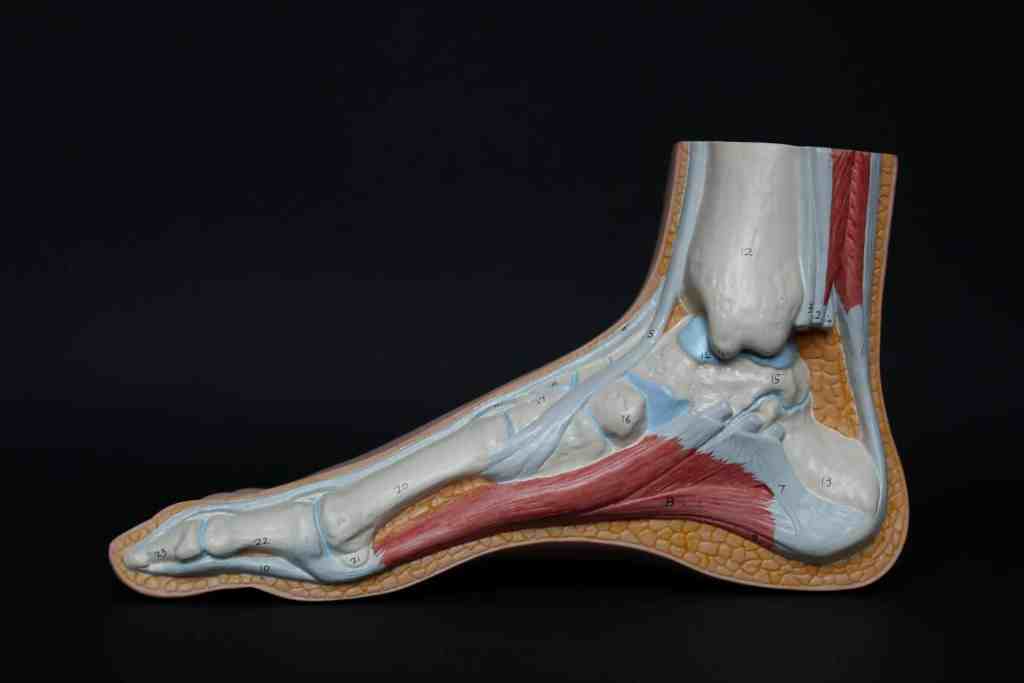
When left untreated, the condition can become extremely painful and even debilitating for some. But it is a treatable condition, and Plantar Fasciitis Massage can be incredibly beneficial for sufferers. Tightness or increased tension in the gastrocnemius, soleus, or achilles tendon reduces how well the foot can handle load while walking.
The root of the problem is often found in the structures above the foot. The plantar fascia is closely connected to the Achilles tendon, which, in turn, is connected to the powerful muscles of the calf (gastrocnemius and soleus). If these muscles are tight, they pull upward on the Achilles tendon and consequently put immense, constant tension on the plantar fascia at its insertion point in the heel. As a result, stress shifts to the plantar fascia, causing inflammation, stiffness, and pain. Treating soft tissue issues in the lower limb is crucial for successful treatment.
HOW RMTs ADDRESS PLANTAR FASCIITIS
Registered Massage Therapists (RMTs) assess and treat soft tissue problems that contribute to plantar fasciitis. Treatment focuses on improving tissue flexibility, reducing tension, and enhancing the foot’s ability to handle load.
At Hartwell Therapy & Wellness, your RMT will:
– Assess foot mechanics, ankle movement, and lower-leg muscle tension
– Identify trigger points causing heel and arch pain
– Use specific massage techniques on the plantar fascia and calf muscles
– Address compensatory movements in the lower body
– Offer home care suggestions based on evidence
This approach helps relieve symptoms and improves long-term function.
BENEFITS OF MASSAGE THERAPY FOR PLANTAR FASCIITIS
Massage therapy is beneficial for helping to relieve the pain and tenderness caused by plantar fasciitis. It works by loosening the tendons and ligaments in the area, which have become tight. In doing so, the pain is relieved quite noticeably.
Clinical benefits may include:
– Less pain in the heel and arch
– Reduced stiffness in the morning
– Better ankle movement
– Increased tolerance for standing and walking
– Improved biomechanics in the lower body
Massage therapy is often combined with other treatments as part of a complete care plan.
WHAT TO EXPECT FROM A PLANTAR FASCIITIS TREATMENT PLAN
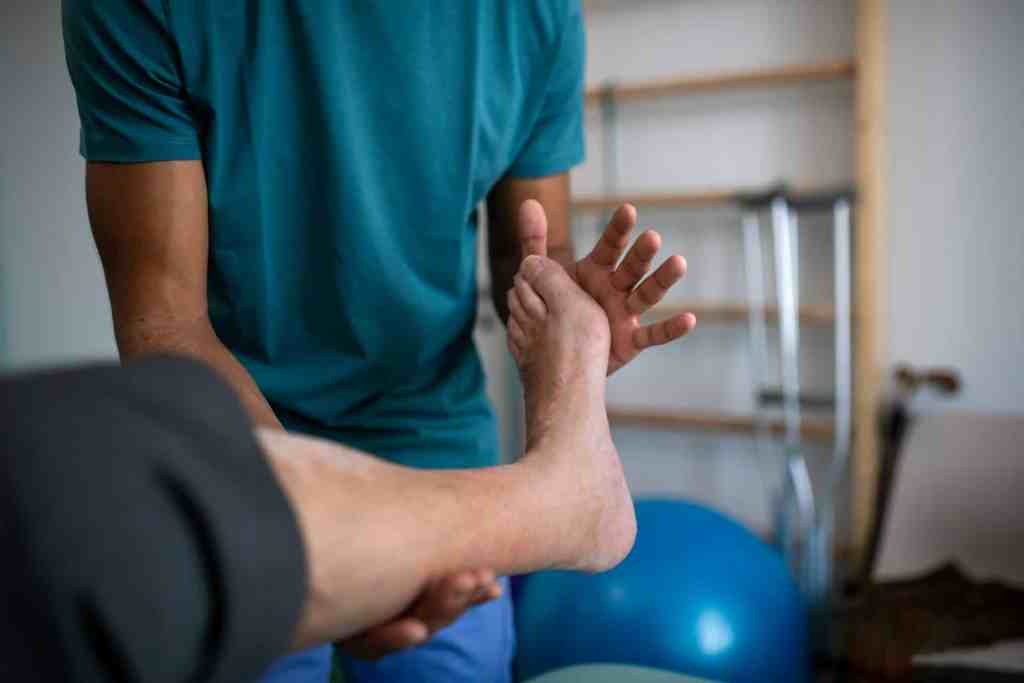
1. Your first visit includes a thorough health history and ask you questions that will help identify if what you are experiencing is characteristic of the signs and symptoms of plantar fasciitis. Assessment techniques may be performed to give them a more accurate picture of what is involved. This could include a postural and gait analysis, palpation, and special tests.
2.This assessment will help your RMT to make a treatment plan that will best assist you in your healing. Your massage therapy treatment will include hands on techniques, education, and home care recommendations.
3. Expected Outcomes:
- Short-term: Reduced stiffness, better circulation, and less pain
- Long-term: Improved foot mechanics, lower chances of recurrence, and better activity tolerance
Regular treatment often leads to steady and lasting improvement.
4. Homecare and prevention:
Beyond the massage therapy sessions, RMTs offer invaluable advice on exercises and stretches to maintain and enhance foot health. This guidance ensures that the benefits of the therapy extend well beyond the massage table, facilitating ongoing relief and strengthening.
Massage therapy has emerged as a valuable complementary treatment option for individuals suffering from Plantar Fasciitis. Its ability to reduce pain, improve blood circulation, relax muscles, break down scar tissue, reduce stress, and enhance range of motion makes it an effective tool in managing this condition.